
Cross Stitch Fabric Count Guide: 14 vs 16 vs 18 Aida
What fabric count means, how it changes your finished size, and which aida, evenweave or linen to pick, with a size chart and a free calculator.
In this post
“What count should I buy?” is the question I hear most from new stitchers, and it’s a good one. Cross stitch fabric count decides how big your finished piece will be, how easy the holes are to see, and how many strands of floss you’ll use. Once you understand one simple sum, choosing fabric gets easy.
The short answer: fabric count is the number of stitches per inch. On 14 count aida you make 14 stitches in one inch, so a 70-stitch design is 5 inches wide. Higher counts (16, 18) give smaller, finer pieces. 14 count is the best all-round choice for beginners.
This is part of my cross stitch supplies guide, and it pairs nicely with my beginner’s guide to cross stitch.
What “count” means
On aida, the fabric is woven in tiny blocks with a hole at each corner. The count is how many of those blocks (and so how many stitches) fit in one inch. 11 count has 11 per inch, 14 count has 14, 18 count has 18. The higher the number, the smaller the holes and the smaller your stitches.
On evenweave and linen, the count is the number of threads per inch. You normally stitch over two threads, so you halve the count to get stitches per inch: 28 count over two gives 14 stitches per inch, and 32 count over two gives 16.
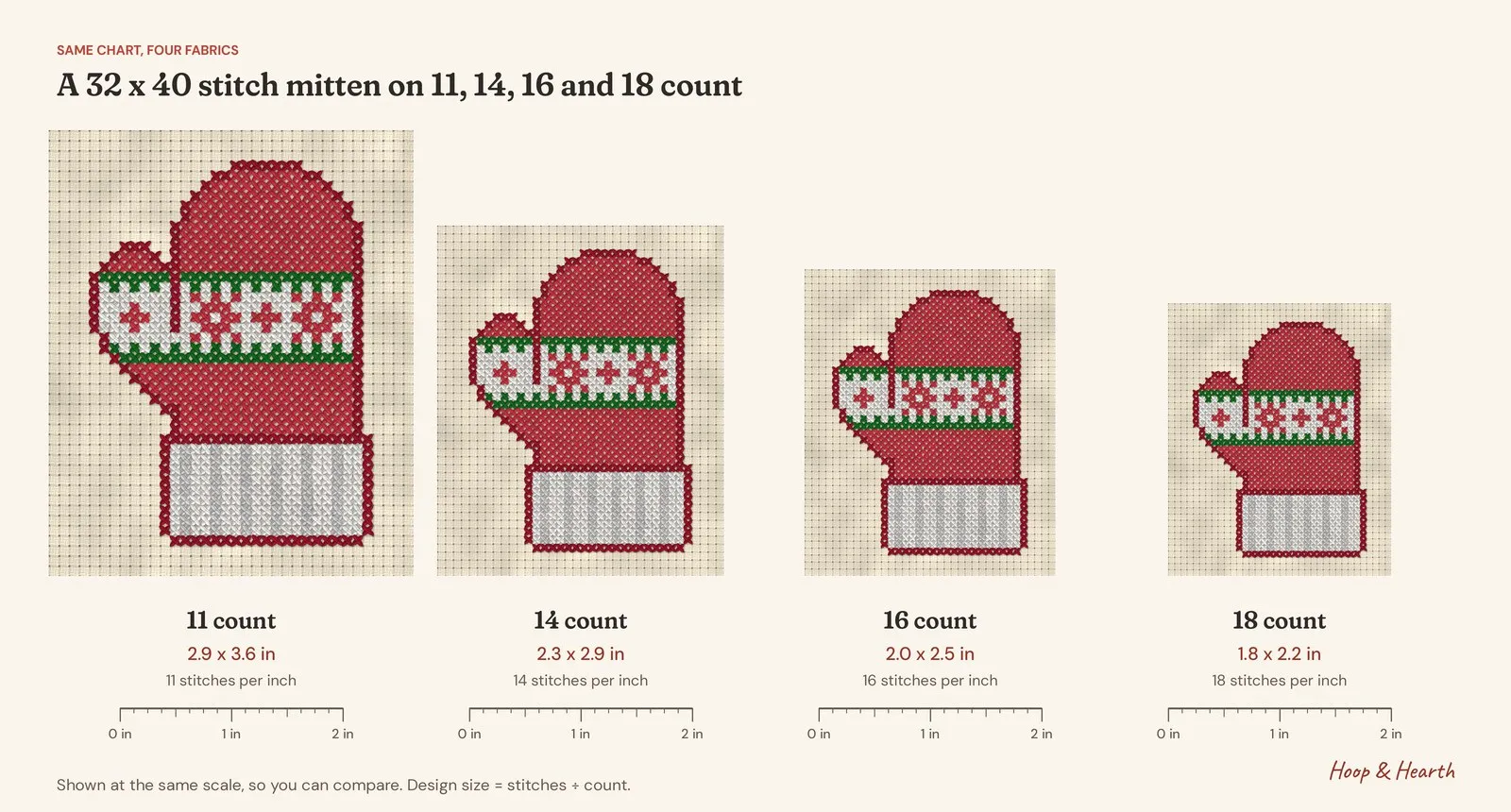
The same chart can be stitched on any count. Only the finished size changes.
Finished size cheat-sheet table
Here’s how big a design comes out at each count, in inches. Find your design’s width (or height) in stitches on the left.
| Stitches | 11 count | 14 count (or 28 over two) | 16 count (or 32 over two) | 18 count (or 36 over two) |
|---|---|---|---|---|
| 20 | 1.8 | 1.4 | 1.2 | 1.1 |
| 30 | 2.7 | 2.1 | 1.9 | 1.7 |
| 40 | 3.6 | 2.9 | 2.5 | 2.2 |
| 50 | 4.5 | 3.6 | 3.1 | 2.8 |
| 60 | 5.5 | 4.3 | 3.8 | 3.3 |
| 80 | 7.3 | 5.7 | 5.0 | 4.4 |
| 100 | 9.1 | 7.1 | 6.2 | 5.6 |
| 150 | 13.6 | 10.7 | 9.4 | 8.3 |
| 200 | 18.2 | 14.3 | 12.5 | 11.1 |
The formula behind it is simple: stitches ÷ count = inches. For centimeters, multiply the inches by 2.54.
So that 40-stitch ornament is about 2.9 inches on 14 count, which fits nicely in a 4 inch hoop, or 2.2 inches on 18 count, small enough for a 3 inch hoop.
How to calculate fabric size (plus 3 inches each side)
Your fabric needs to be bigger than the design, so there’s room to hold it in a hoop and to frame or finish it later.
- Work out the design size: stitches ÷ count, for the width and the height.
- Add the margin: 3 inches on every side if you’ll frame it (that’s 6 inches added to each measurement). For a hoop display or an ornament, 2 inches each side is enough.
- Round up to the nearest half inch or inch.
Worked example: an 80 x 60 stitch design on 16 count aida is 80 ÷ 16 = 5 inches wide and 60 ÷ 16 = 3.75 inches tall. Add 6 inches to each, and you need about 11 x 10 inches of fabric.
If you’d rather not do the sums, the free fabric size calculator does them for you, for any count and margin. Every Hoop & Hearth pattern also lists finished sizes for 14, 16 and 18 count right on the product page.
a little gift for you
Free cheat sheet: counts, strands and needles
My one-page stitching cheat sheet has this size table, plus strands and needle sizes for every count. It comes with a free beginner pattern when you join The Hearth Letter.
We send about two letters a month. Unsubscribe with one click.
Aida vs evenweave vs linen
| Aida | Evenweave | Linen | |
|---|---|---|---|
| What it is | Cotton woven in blocks with clear holes | Smooth fabric with evenly spaced single threads | Natural flax, threads vary slightly in thickness |
| Common counts | 11, 14, 16, 18 (also 6 and 8 for kids) | 25, 28, 32 | 28, 32, 36 and finer |
| Stitch over | One block | Usually two threads | Usually two threads |
| Best for | Beginners, bold designs, most projects | Fractional stitches, a smoother look | Heirloom pieces, a soft, vintage look |
| Easy to count? | Very | Takes practice | Takes the most practice |
Aida is stiff, sturdy and forgiving. It’s my everyday fabric and what I recommend for your first few projects.
Evenweave (fabrics in this family are often called Lugana or Jobelan) has a smoother surface. Because you stitch over two threads, there’s a center hole in each stitch, which makes quarter and three-quarter stitches neat. You can also stitch “over one” on evenweave for tiny details, but that’s very small work.
Linen has the loveliest drape and a slightly irregular, handmade look. It’s my favorite for samplers, but the uneven threads make counting slower, so save it for when counting feels automatic.
Which count for beginners, tired eyes, and kids
For beginners: 14 count aida. The holes are clear, the finished size is comfortable, and most patterns are designed with it in mind.
For tired eyes: 11 or 14 count, in a light color. Bigger holes and good light matter more than anything. A daylight lamp and, if you need it, a magnifier make 14 count comfortable for most people. 16 and 18 count are lovely, but they ask more of your eyes after a long day.
For kids: big and bold. Plastic canvas (often 7 count), 6 count Binca or 8 to 11 count aida are much easier for small hands. Pair them with a big, blunt needle and a pattern with only a few colors. I’ve written about teaching kids to cross stitch, and there are easy patterns for kids to start with.
For small finishes and fine detail: 16 or 18 count. Ornaments, bookmarks and mini hoops look delicate on higher counts, and a design that would be too big for a small hoop on 14 count can fit nicely on 18.
Strands and needles by count
The count also changes how many strands of floss you use and which needle fits the holes.
| Fabric | Stitches per inch | Strands for cross stitch | Strands for backstitch | Tapestry needle |
|---|---|---|---|---|
| 11 count aida | 11 | 3 | 1 or 2 | 22 or 24 |
| 14 count aida | 14 | 2 | 1 | 24 (or 26) |
| 16 count aida | 16 | 2 | 1 | 24 or 26 |
| 18 count aida | 18 | 2 (or 1 for a lighter look) | 1 | 26 |
| 28 count evenweave, over two | 14 | 2 | 1 | 26 or 28 |
| 32 count linen, over two | 16 | 1 or 2 | 1 | 28 |
These are starting points. Dark floss on light fabric covers well with fewer strands, and light floss on dark fabric often needs one more. My post on how many strands to use for cross stitch covers when to change things up.
Fabric colors: white, antique, oatmeal and dark fabrics
Fabric color changes the whole mood of a design.
- White is crisp and makes colors pop. It’s the easiest to see your holes on.
- Antique white, ivory and cream are softer and warmer. Most of my cozy designs look best here.
- Oatmeal and flecked fabrics have a rustic, homespun look that suits samplers, Christmas and anything cottagey.
- Pale blue, grey and sage are lovely for winter and woodland designs. Snowflakes in white floss on pale blue are a favorite.
- Dark fabrics (navy, black, forest green) make light colors glow, but the holes are harder to see. Put a white cloth or pillowcase on your lap so light shows through the holes.
One tip: if a design has a lot of white or near-white stitches, avoid stitching it on white fabric. They’ll disappear. A cream or pale colored fabric gives them something to stand against.
Buying fabric: pre-cuts, fat quarters and bands
Aida is sold in a few ways, and the names can be confusing at first.
- Pre-cut pieces are small packs, often around 12 x 18 inches. Perfect for one or two small projects.
- Fat quarters are larger pieces, often around 18 x 20 inches (sizes vary a little by brand). One fat quarter can hold several ornaments or a medium design.
- By the yard or meter is cheapest per inch if you stitch a lot in one color and count.
- Aida bands are narrow strips with finished edges, from about 1 to 4 inches wide. They’re brilliant for bookmarks, borders and jar bands, because there are no raw edges to finish.
Before you buy, work out your fabric size for the project (design plus margins), and check the label for the count and color. Colors like “antique white” and “ivory” vary a little between brands, so if you’re matching an existing piece, buy from the same range.
Do you need to wash fabric first?
Usually no. New aida has a light finish (called sizing) that keeps it stiff, which makes it easier to stitch on. Washing removes some of that.
There are a few exceptions. Some stitchers pre-wash hand-dyed fabrics in case the dye runs, or pre-wash linen that will be washed later anyway. If you’re unsure, stitch first and wash at the end, which is when it really matters. Here’s how I wash and press a finished piece.
My quick picks
If you just want to know what to buy:
- First project: 14 count aida, white or cream.
- Ornaments and minis: 14 or 18 count aida, depending on your hoop size.
- Kids: 11 count aida or 6 count Binca, with a big blunt needle.
- Samplers and heirloom pieces: 28 count evenweave or 32 count linen, over two.
- Winter designs: pale blue or grey aida, with white and silver floss.
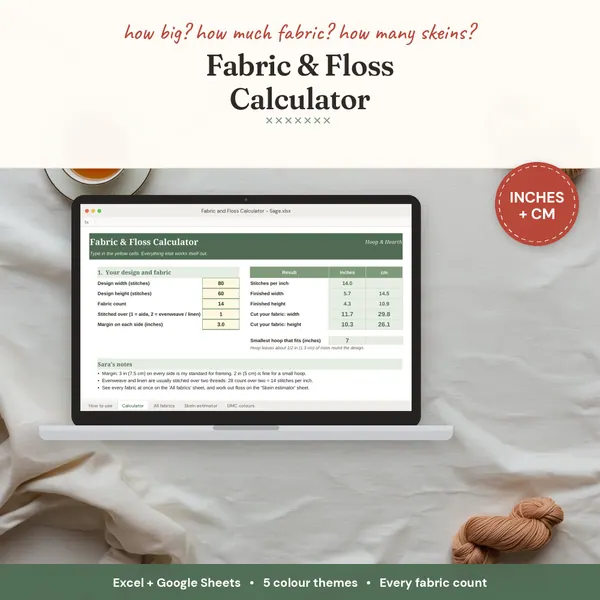
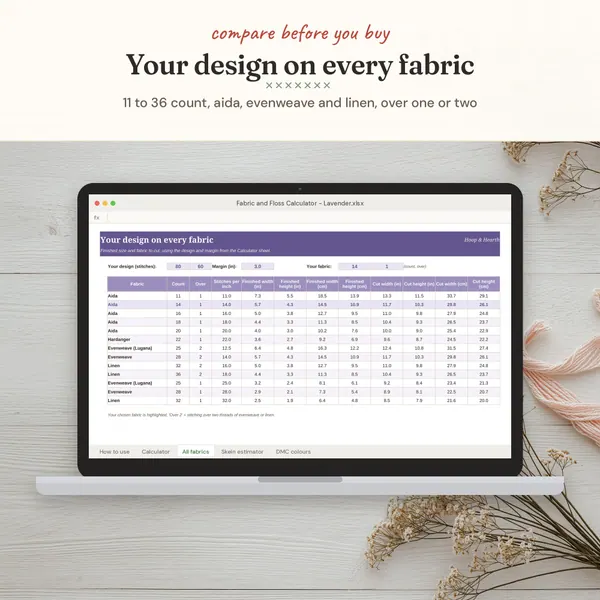
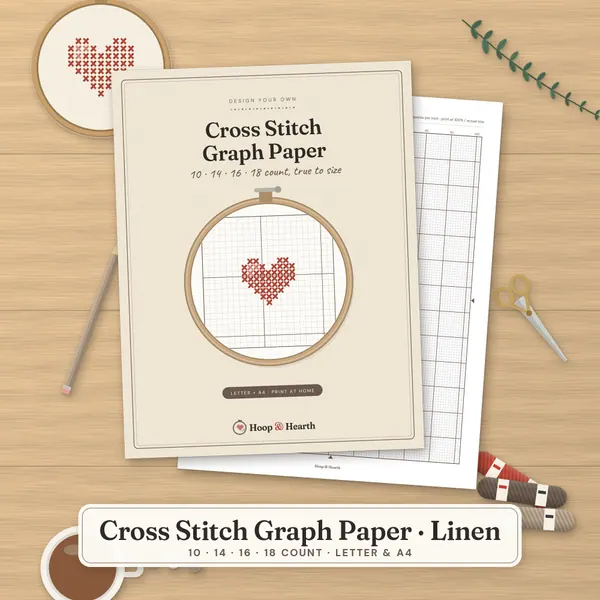
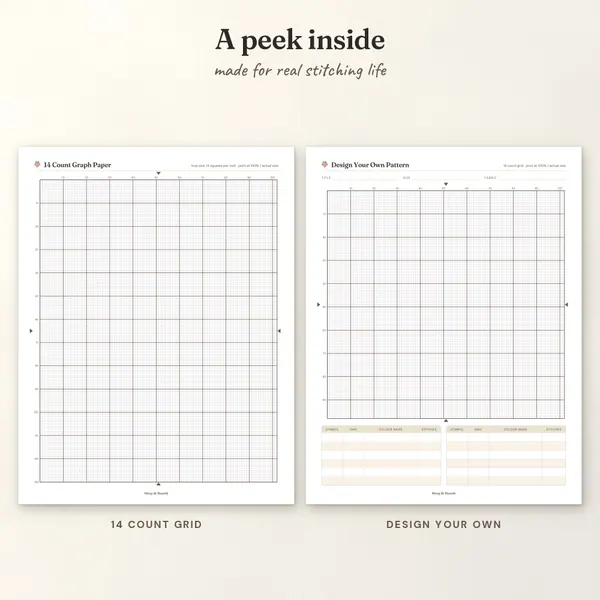
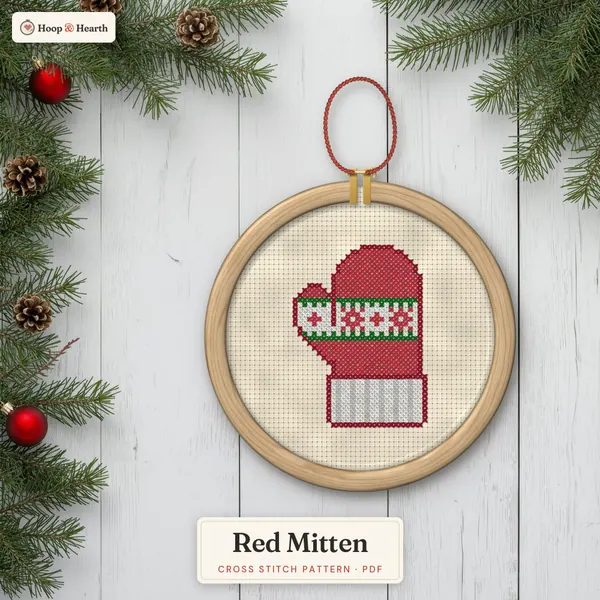
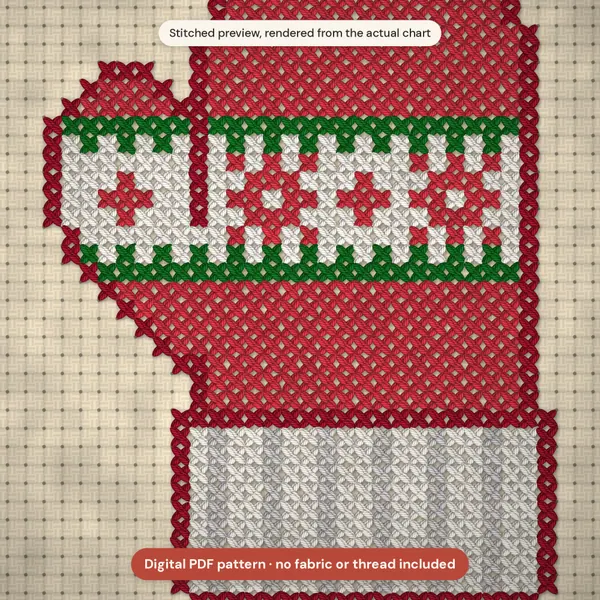
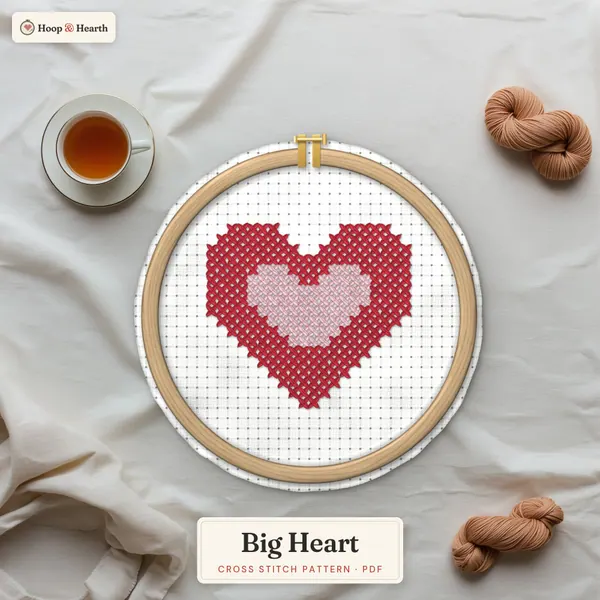
All my patterns list finished sizes for 14, 16 and 18 count, so you can pick your fabric before you buy anything. Browse the beginner-friendly patterns, the kids’ first stitches collection, or start with something free from the free patterns page. And if you’re still building your kit, my supplies list has everything else.
a little gift for you
Get your free cross stitch patterns
Join The Hearth Letter and download every freebie instantly, plus 15% off your first order and cozy stitching tips from Sara.
We send about two letters a month. Unsubscribe with one click.
Frequently asked questions
What is the best aida count for beginners?
14 count. The holes are easy to see, it holds its shape, and almost every pattern gives a finished size for 14 count. 11 count is a good choice for children or if small holes are hard on your eyes.
How many stitches per inch is 14 count aida?
14 stitches per inch. So a design that is 70 stitches wide will be 5 inches wide on 14 count aida.
Is 16 count or 18 count harder than 14 count?
They aren't harder to stitch, just smaller. The holes are closer together, so they take a little more concentration and good light. Your design will come out smaller and look finer.
Is 28 count evenweave the same as 14 count aida?
When you stitch over two threads, yes: 28 count evenweave gives 14 stitches per inch, so the finished size is the same as 14 count aida. The fabric itself is smoother and finer.
How much fabric do I need for a cross stitch?
Divide the design's stitch count by the fabric count to get its size in inches, then add 3 inches on every side if you plan to frame it, or about 2 inches on every side for a hoop or ornament finish.
Patterns to try
Stitch along with this post
Keep reading
More from the blog
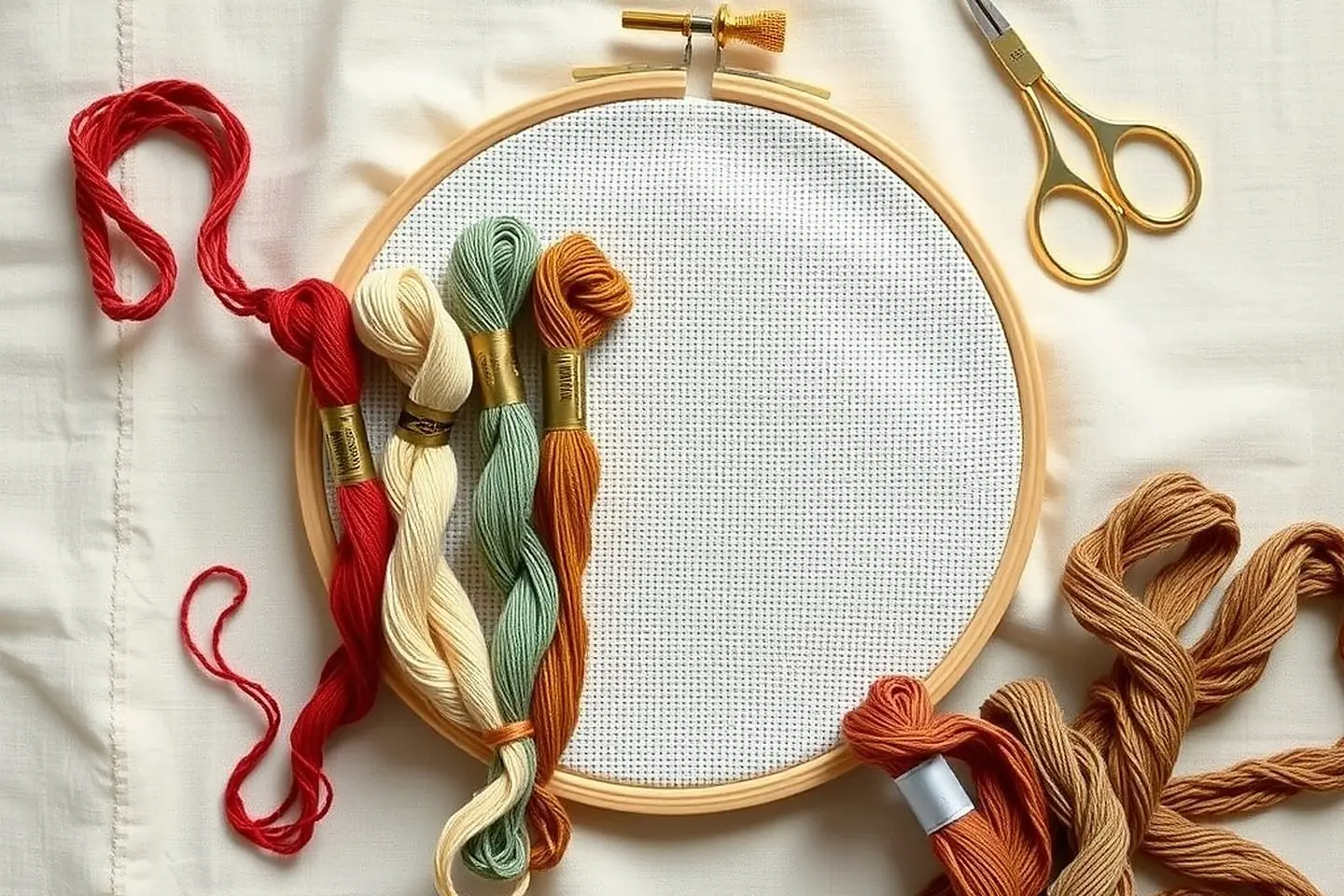
Cross Stitch Supplies: The Only List a Beginner Needs
The cross stitch supplies you actually need: fabric, floss, needles, hoops and handy extras, plus what to skip. A practical, budget-friendly list.
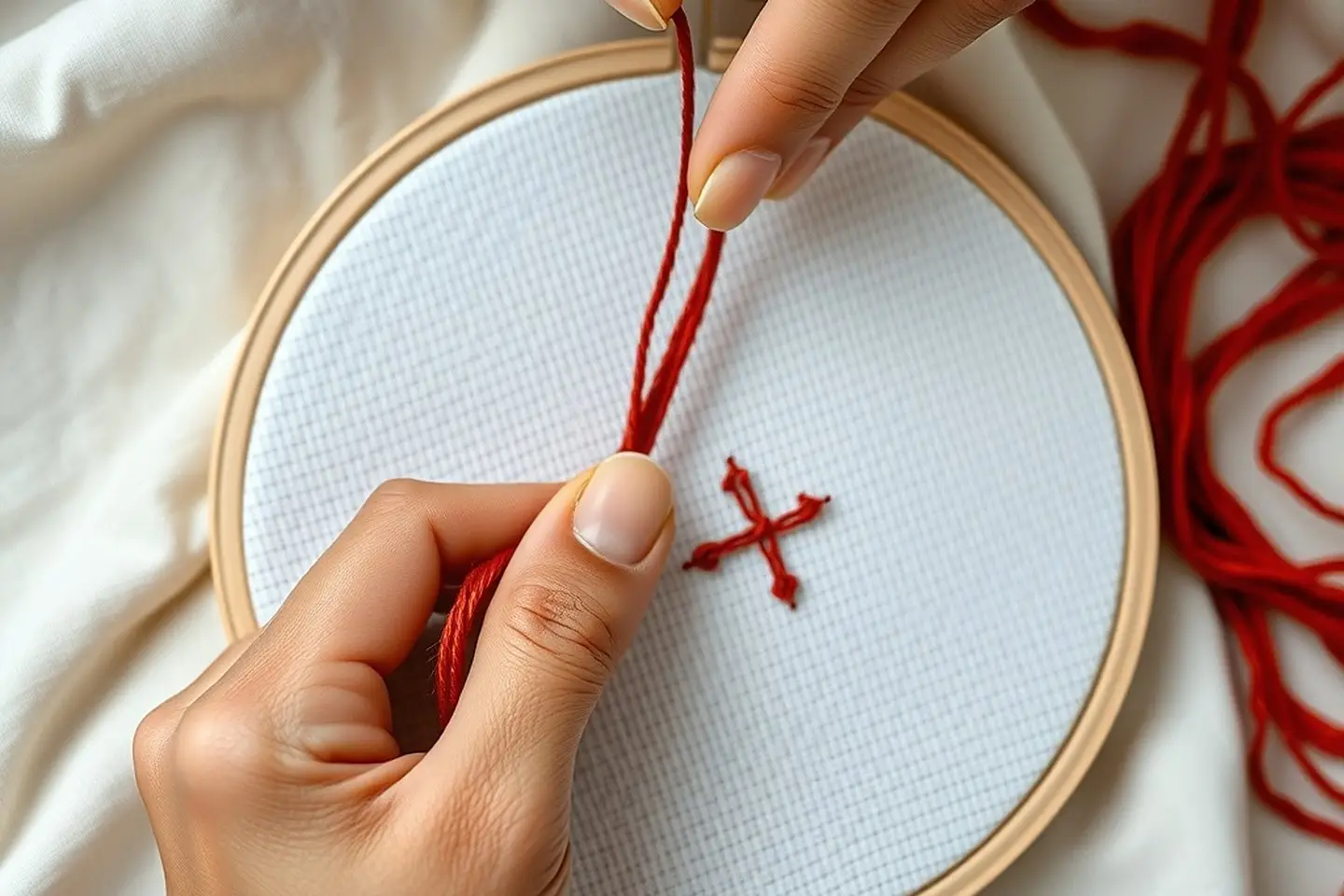
How Many Strands for Cross Stitch? A Simple Chart
How many strands of floss to use on 11, 14, 16 and 18 count aida or evenweave: a simple chart, how to separate floss, and when to break the rules.
Gifts for Cross Stitchers: 20 Ideas They'll Actually Use
Thoughtful gifts for cross stitchers, chosen by a stitcher: lamps, needle minders, floss organizers, digital patterns and cozy extras at every budget.